<< Back to PEERS Activities
Dhruti PEERS Student Wellbeing Activities at Hindusthan College of Arts and Science
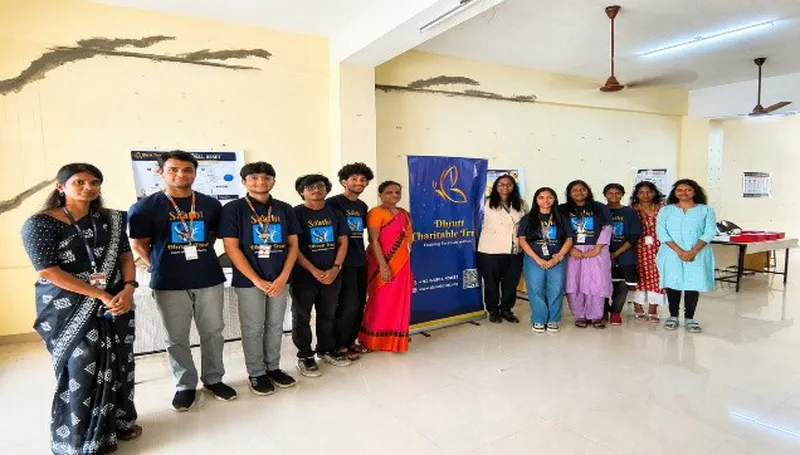
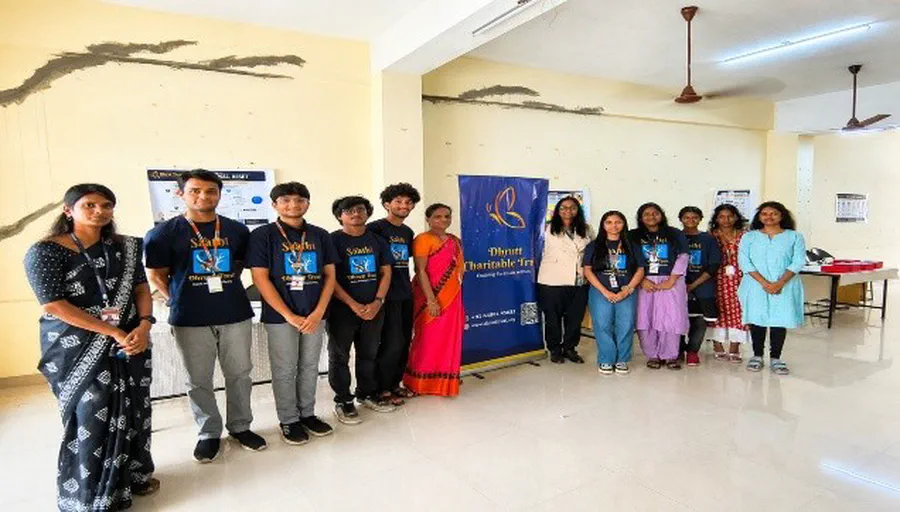
On 24 August 2026, Dhruti Charitable Trust, through Saathi (student interns) from Hindustan College of Arts and Science, conducted an interactive wellbeing activity focused on stress management, healthy coping strategies, gratitude and appreciation to promote positive feelings, and learning the right way to respond to situations through the “Control and Choice” activity. The activities were developed and conducted by Ms. Kalpagam Jagannadan, Director – Dhruti PEERS, with Ms. Dhanushree - Assistant Program coordinator supporting the students throughout the event.
Four Interactive Wellbeing Stations
1. Stress Ball Reset & Box Breathing
Students explored simple techniques to release physical tension and calm the body and mind.
Through the Stress Ball Reset, students practised squeezing and slowly releasing a stress ball while becoming aware of physical tension. This was followed by Box Breathing, a structured breathing technique involving four-second cycles of inhaling, holding, exhaling, and holding.
The activity encouraged students to recognise physical signs of stress and use simple techniques to pause, regulate, and reset.
2. Gratitude Wall – Little Things Matter
The Gratitude Wall encouraged students to pause and recognise positive experiences, supportive people, and small moments that bring meaning to everyday life.
Students contributed their thoughts to the wall, creating a collective display of gratitude and positive reflection. The activity highlighted how noticing and appreciating everyday positive experiences can contribute to emotional wellbeing.
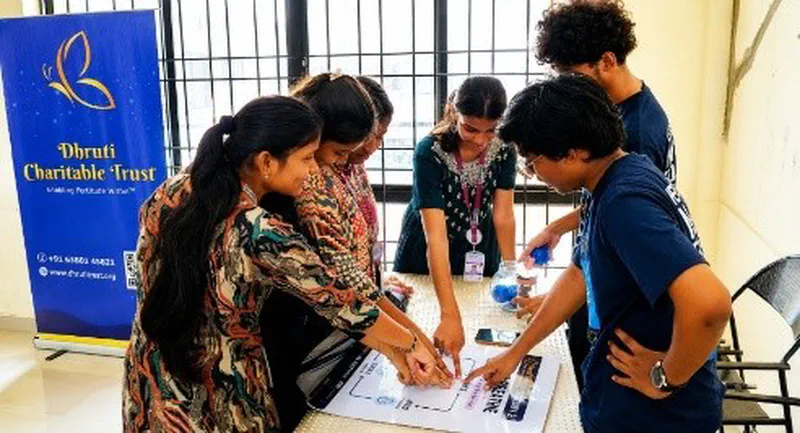
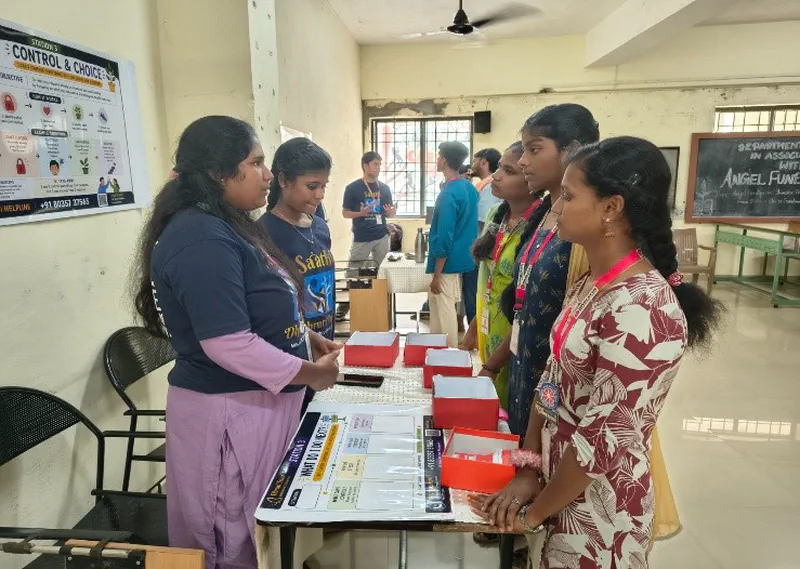
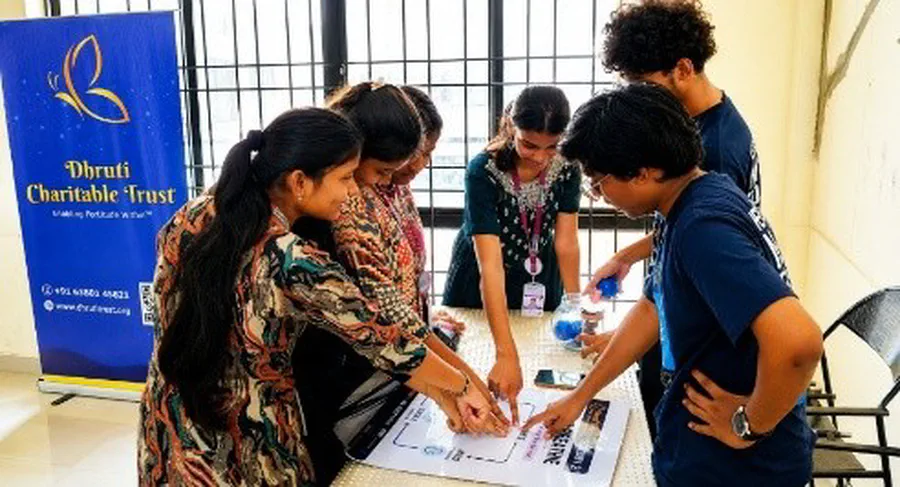
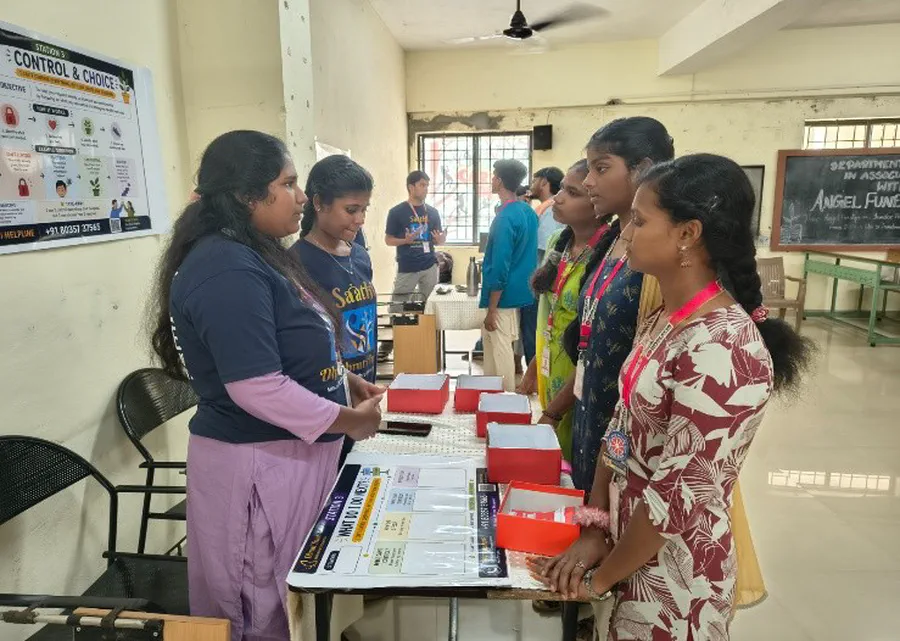
3. What Do I Do Next? – Control & Choice
This activity helped students understand the difference between what they cannot control and what they can control when facing challenging situations.
Students reflected on a situation, identified their feelings, considered what was within their control, and identified one small next step they could take.
The activity reinforced the message:
“I can’t always control what happens, but I can choose what I do next.”
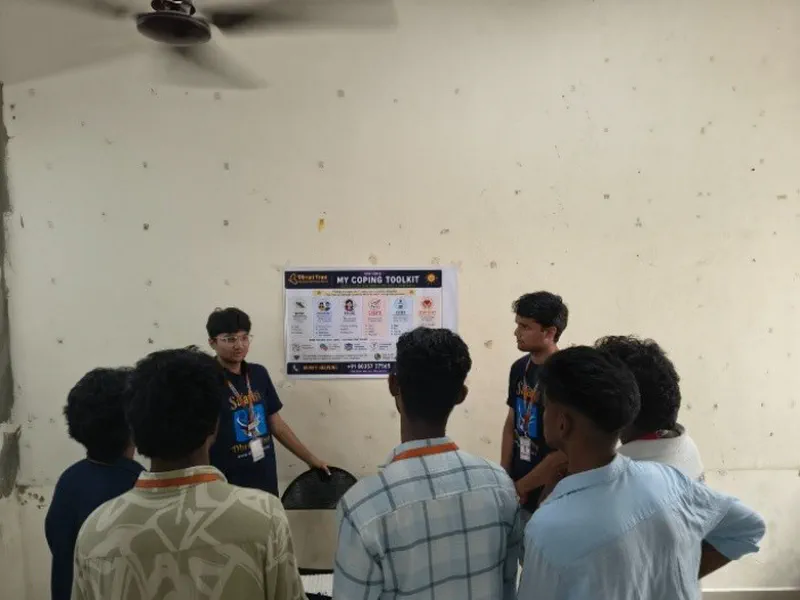
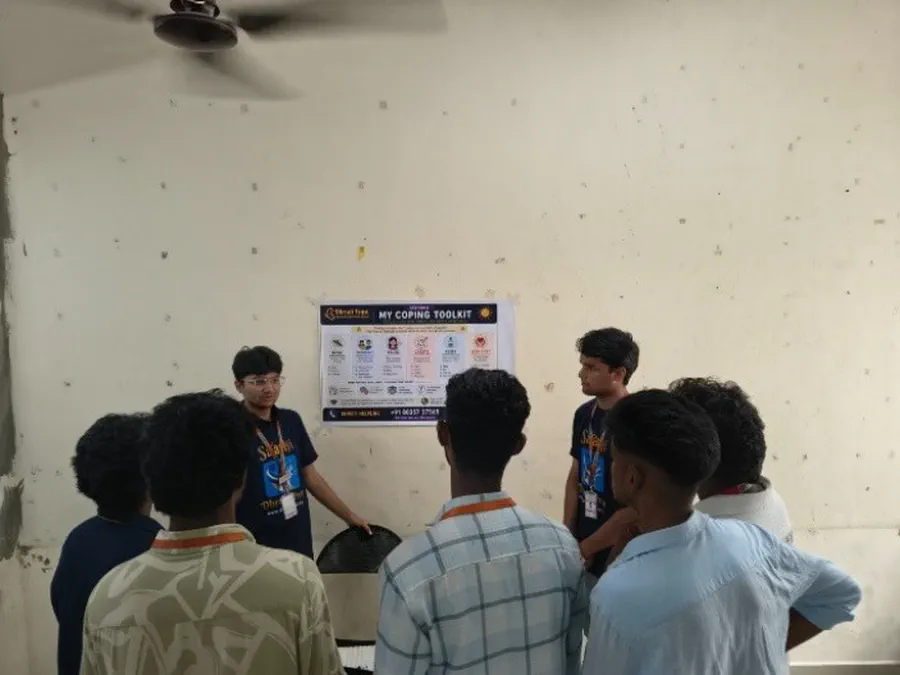
4. My Coping Toolkit
The My Coping Toolkit station introduced students to six practical areas of healthy coping:
Move • Connect • Pause • Create • Reset • Seek Help
Students explored different strategies they could use during stressful moments and identified coping tools they could incorporate into their everyday lives.
The activity also reinforced an important message: seeking support from a trusted adult, counsellor, or mental-health professional is a strength, not a weakness.
PEERS Gallery